
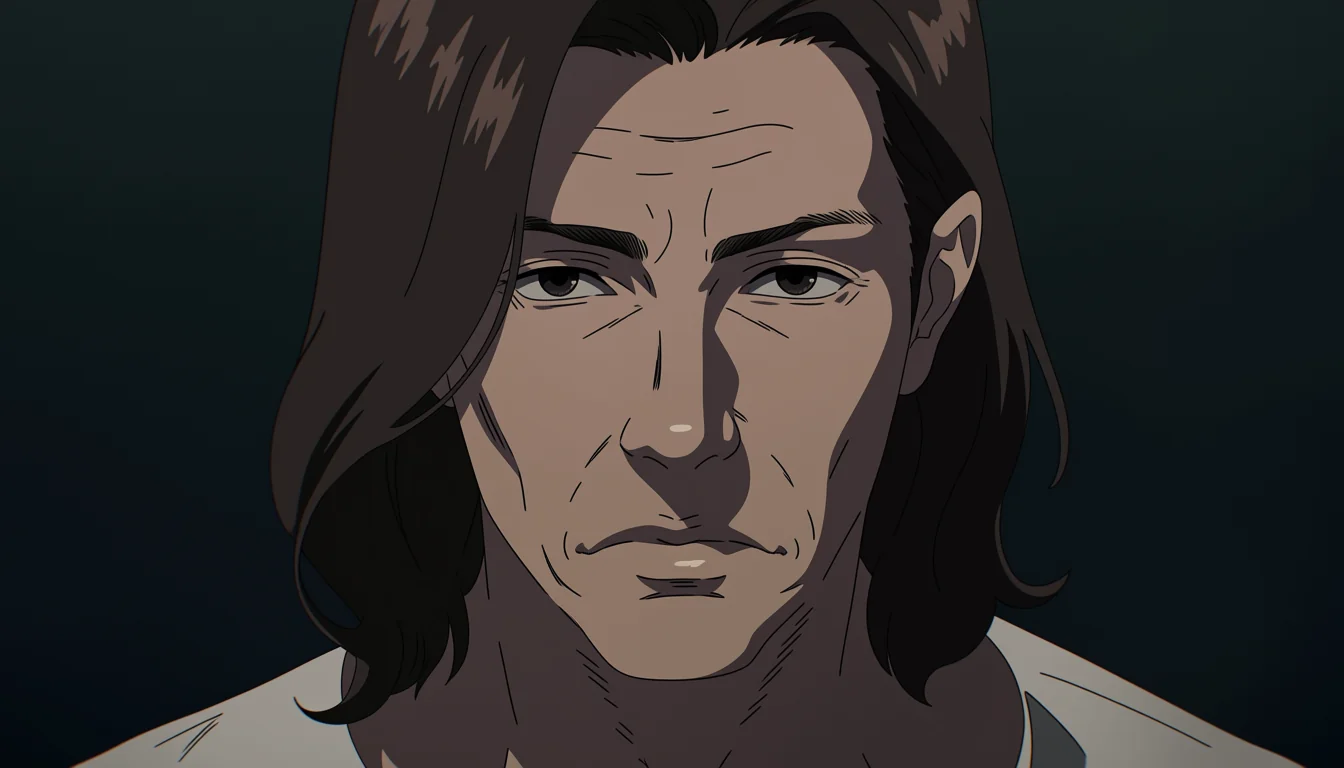
Spicy City holds a small but real place in animation history: an anthology of adult science-fiction stories, six episodes, aired on HBO in 1997, and the first adult animated series on American cable. It was renewed and then it wasn't. The reasons are less lurid than the show.
What the show actually was
The format was an anthology. A host introduced a self-contained noir-flavoured story set in a grimy future city, each running about half an hour, each ending badly for someone. The look borrowed from underground comics and rotoscoped movement, and the tone aimed squarely at viewers who wanted animated science fiction without a family filter.
Anthologies are hard. Every episode has to build a world, a cast, and a payoff from scratch, with no returning characters to carry goodwill. Reviewers at the time found the writing thin, and the show never got the runway to fix it.
The fight was about contracts
Here's the part that actually ended it. The network ordered a second season and wanted the writing staff replaced with non-union writers on different terms. The creator refused to work under that arrangement. The order was withdrawn and the series stopped.
That's a labour dispute, not a content decision. It's worth sitting with, because the popular version of the story treats the cancellation as a verdict on adult animation itself — proof that grown-up cartoons wouldn't sell. The record says something narrower: a show with weak reviews lost its leverage, and once leverage is gone, a disagreement over staffing terms is enough to finish it.
| Factor | Weight in the ending |
|---|---|
| Writer contract dispute | Decisive |
| Critical reception | Removed the leverage to win the dispute |
| Anthology format | Made audience loyalty hard to build |
| Explicit content | Minor — the platform had already accepted it |
What the timing cost it
1997 was early. Cable had proved animated comedy could work but had not yet proved animated drama could. A show that leaned serious, ugly, and serialised in tone was arriving before the audience habits existed to support it, and before streaming removed the reset-button rule described in our run through adult animation history.
Being early is not a small disadvantage. It means every part of the machine — scheduling, marketing, review culture — treats your show as a novelty rather than a category entry. Novelty gets one season.
There was also nowhere to grow slowly. A weekly cable slot judges you on the night. Nobody could find episode four a year later, recommend it to a friend, and start a second wave of interest, because the episodes simply stopped existing once they had aired. Shows that survive now often survive on that delayed second wave, and Spicy City had no mechanism for one.
The lesson that still applies
Studios reading this case usually take the wrong note from it. The note isn't tone it down. It's these three:
- Reviews are leverage. They rarely cancel a show directly, but they decide whether you win the next argument.
- Settle staffing terms before the renewal conversation. A second-season order is the worst moment to discover you disagree about who writes it.
- Anthologies need a stronger hook per episode. With no recurring cast, each story has to earn attention alone.
The craft side of that third point is real. Without returning characters, atmosphere carries continuity, which is why lighting and grade choices do so much heavy lifting — something we go through in the piece on midnight colour grades.
What Spicy City's single season really shows
The show is worth watching once, mostly as a document. It shows an industry testing whether adult animation could be more than comedy, using a format that made the test harder than it needed to be, at a moment when the safety net was thin.
And it shows that cancellation is usually an accumulation. Weak reviews, a hard format, an early slot, and then one contract argument that nobody had room to lose. If you're planning a series now, the production terms deserve as much attention as the pilot script. Our own editorial position on adult work is set out in the control room, and the connected creation tools stay on anime AI generator where its account and safety controls apply.